

Let’s be real: modern life is overwhelming. Between doomscrolling on social media, navigating the endless hustle culture, and trying to remember if it’s recycling or trash day, our brains are fried. We constantly search for the next big “life hack,” buying expensive self-help books and downloading productivity apps that we’ll abandon in a week.
But what if the ultimate operating system for navigating the chaos of modern life was actually written over 500 years ago by a Ming Dynasty scholar?
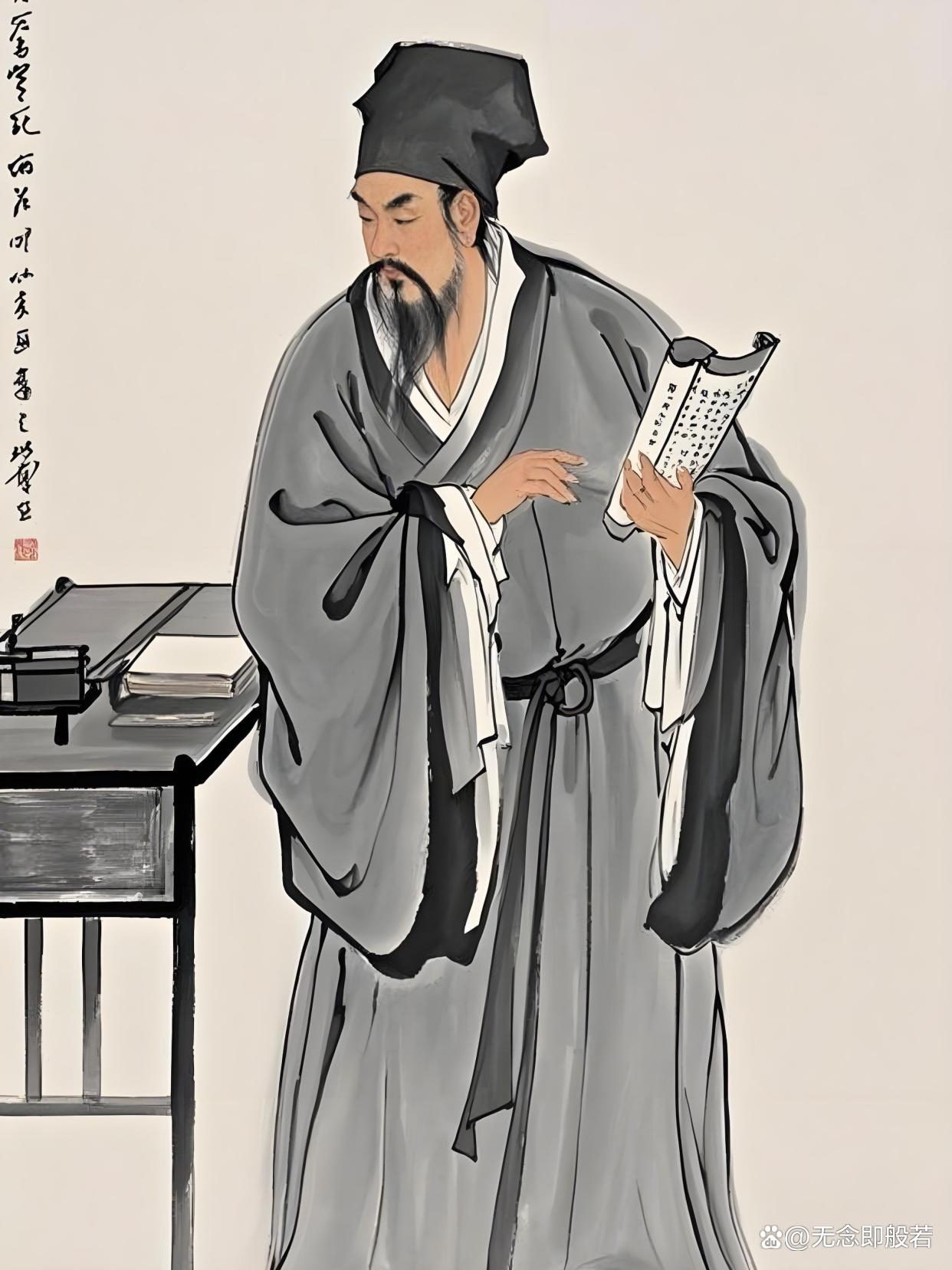
Enter Wang Yangming, one of the absolute titans of Chinese philosophy. His “Philosophy of Mind” (心学) isn’t just dusty academic theory; it’s a highly practical, surprisingly modern toolkit for keeping your sanity intact and being a decent human being.
Here is a down-to-earth breakdown of Wang’s four core ideas and how they can save you from a modern existential crisis.
1. You Already Have the Premium Software Installed: “Mind is Principle” (心即理)
Wang’s first big idea is that “The Mind is Principle.” In plain English? You don’t need to look outside yourself to figure out what is right or wrong. You already know.

According to Wang, the human mind is fundamentally good—it’s the source of ultimate truth. Think of your mind as coming pre-installed with a premium, top-tier moral operating system.
The Modern Problem: We constantly outsource our self-worth and decision-making to external things: “How many likes did I get?” “What does my boss think?” “Is my lifestyle trendy enough?”
The Yangming Solution: Trust your factory settings. The only reason we mess up or feel unfulfilled is that our minds get clogged with “selfish desires” (the philosophical equivalent of malware and junk files). If you stop obsessing over external validation and clear out the selfish clutter, your natural brilliance and goodness will shine through. You don’t need a guru; you just need to clear your cache.
2. Stop Reading About the Gym and Go to the Gym: “Unity of Knowledge and Action” (知行合一)
This is arguably Wang’s most famous drop-the-mic concept: “The Unity of Knowledge and Action.” He argued that if you “know” something but don’t do it, you don’t actually know it.
The Modern Problem: We live in the Information Age. We are drowning in knowledge. We read ten articles on “How to Wake Up Early,” watch five YouTube videos on “Eating Healthy,” and then stay up until 2 AM eating chips. We separate “knowing” from “doing.”
The Yangming Solution: Talk is notoriously cheap. To Wang, knowledge and action are two sides of the exact same coin. If you aren’t acting on it, your knowledge is fake. Furthermore, Wang believed that a thought is already an action. If a toxic, selfish, or petty thought pops into your head, don’t just let it hang out there because “well, I didn’t do anything about it.” Nip it in the bud! Treat your mental space like a VIP club and act as your own bouncer.

3. Don’t Ghost Your Inner Jiminy Cricket: “Extending Good Conscience” (致良知)
Wang believed we all have a built-in BS detector called Liangzhi (良知), or “innate knowing/good conscience.” It’s that gut feeling that instantly knows when you are being a jerk, cutting a corner, or lying to yourself.
The Modern Problem: We are exceptionally good at finding loopholes. We rationalize our bad behavior: “I only gossiped because everyone else was,” or “I didn’t help that person because I was in a hurry.” We put our conscience on “Do Not Disturb” mode.
The Yangming Solution: “Extend” your good conscience. This means taking that inner compass and actively applying it to every single thing you do in the real world. Don’t just have a conscience; use it as the absolute gold standard for your daily life. If your gut tells you something is wrong, stop doing it. No excuses, no mental gymnastics. When you align your actions with your conscience, life actually becomes surprisingly simple and deeply peaceful.
4. We’re All Roommates on This Giant Space Rock: “All Things are One Body” (万物一体)
Finally, Wang taught that humanity and the universe—other people, animals, plants, and even the earth itself—are all interconnected as “One Body.” The Modern Problem: We live in a highly individualized, hyper-competitive world. It’s easy to view life as a zero-sum game where you have to step on others to get ahead. We also treat the planet like a hotel room we can trash without consequences.

The Yangming Solution: Empathy isn’t just a nice character trait; it’s the fundamental reality of the universe. If you pinch your left arm, your whole body feels it. Similarly, if you harm your neighbor, cheat your community, or pollute the environment, you are ultimately hurting yourself. Wang believed that a truly mature person views the suffering of others as their own suffering. When you realize we are all in this together, toxic individualism fades, and a genuine desire to uplift others and protect the planet takes over.
The Takeaway: Wang Yangming isn’t asking you to go meditate in a cave. He’s asking you to engage with the messy, chaotic world using a clear mind, authentic actions, an active conscience, and radical empathy.
It’s ancient wisdom, but it might just be the ultimate antidote to the modern grind.
Which of these four concepts—trusting your gut, matching your actions to your knowledge, listening to your conscience, or feeling connected to everything—feels like the biggest missing piece in your daily routine right now?
