

When Western readers explore ancient Chinese philosophy, they often encounter Confucius for ethics, Laozi for Taoist spirituality, and Sun Tzu for military warfare. However, hidden in the misty mountains of the Warring States Period (475–221 BC) is a figure who mastered the ultimate algorithms of human behavior and geopolitical strategy: Guiguzi (鬼谷子), also known as the Master of the Ghost Valley.
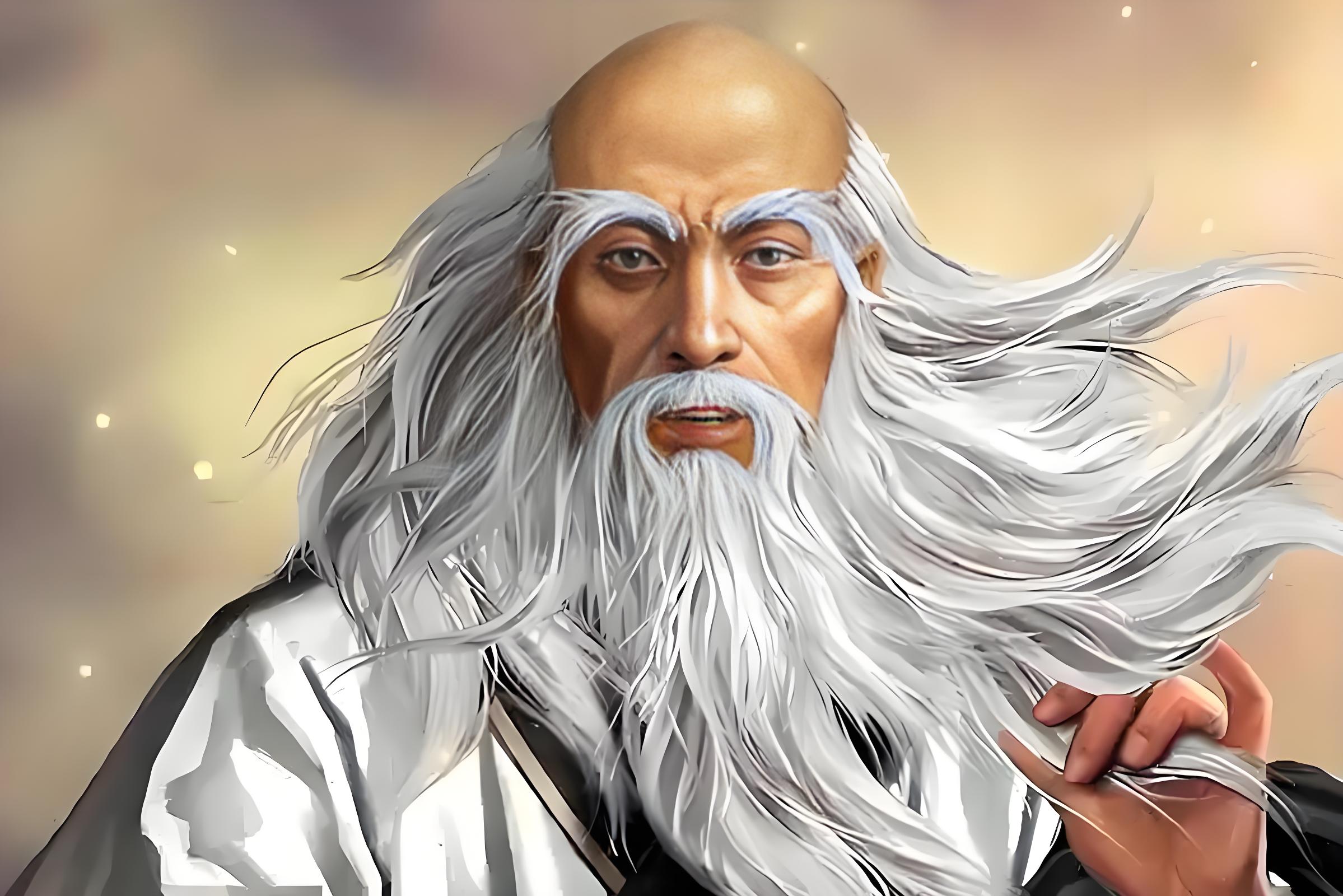
While Sun Tzu taught how to win wars on the battlefield, Guiguzi taught how to win them in the human mind. He is the founding father of the School of Diplomacy (Zonghengjia), making him ancient China’s ultimate authority on persuasion, psychological warfare, and strategic alliances.
If you want to understand the roots of Eastern strategic thinking—and how to apply it to modern life—understanding Guiguzi is essential.
Who Was the “Ghost Valley Master”?
Guiguzi’s real name is believed to be Wang Xu (王诩). Unlike other philosophers who traveled from state to state preaching their ideals, Guiguzi lived as a hermit in a secluded, mysterious place known as Ghost Valley (Guigu).
He was a master of many disciplines, including:
- Astrology and Esoteric Arts: Observing the cosmos to predict earthly trends.
- Military Strategy: Designing formations and tactical maneuvers.
- Diplomacy and Persuasion: The art of using words to build empires or tear them down.
Though he rarely left his mountain, his students shaped the course of Chinese history. He was the teacher of Su Qin and Zhang Yi, the two most famous diplomats of the era, who orchestrated massive alliances that determined the fate of nations. He also taught Sun Bin and Pang Juan, two of the most brilliant military commanders of antiquity.
The Core Achievements of Guiguzi
Guiguzi’s teachings are compiled in a namesake book, Guiguzi. Unlike the moralistic texts of Confucianism, the Guiguzi is a highly pragmatic, almost systematic manual for operating in a chaotic world.
His core achievements and philosophies include:
1. The Theory of Yin and Yang in Communication (Bai He – 捭阖)
Guiguzi believed that all human interactions are governed by the opening (Yang/Bai) and closing (Yin/He) of communication.

- Opening (Yang): Speaking, initiating, revealing, and taking action to influence others.
- Closing (Yin): Listening, hiding your intentions, remaining silent, and observing. A true master knows exactly when to open their mouth to guide the situation, and when to close it to gather intelligence and protect their core architecture.
2. The Art of “Fei Qian” (飞箝) – Psychological Probing
Guiguzi developed systematic methods to read people. Fei means to praise or elevate someone to make them drop their guard and reveal their true desires. Qian means to clamp down and lock in an agreement once their true motives are exposed. It is the ultimate psychological profiling tool.
3. Adapting to the Environment (Chu Jian – 揣篇)
He taught that strategy is never static. Just as water adapts to the shape of its container, a strategist must objectively analyze the exact “parameters” of a situation—the resources, the emotional state of the opponent, and the timing—before executing a plan.
Applying Guiguzi’s Wisdom to Modern Society
To a modern reader, Guiguzi’s teachings might sound like an ancient textbook on political manipulation. However, when decoded, his wisdom is incredibly relevant to our fast-paced, highly interconnected modern world.
Mastering Modern Business and Negotiation
In corporate boardrooms, Guiguzi’s Bai He (Opening and Closing) is the ultimate negotiation tactic. Modern negotiators often lose because they speak too much (too much Yang). Guiguzi teaches us to use Yin—strategic silence and deep listening—to understand the other party’s bottom line. Once the data is gathered, you strike with precision.
Navigating Interpersonal Psychology

We live in an era of information overload and complex social dynamics. Guiguzi’s method of Fei Qian teaches us empathy with a purpose. By truly understanding what another person values (praise/elevation), we can build deeper, more mutually beneficial alliances, whether in networking, leadership, or personal relationships.
System Architecture and “Vibe”
Think of Guiguzi’s philosophy as a highly efficient operating system for life. He doesn’t rely on brute force. Instead, he observes the inputs (human desires, environmental factors), processes the variables, and executes the exact output needed to achieve balance and success. In a world full of chaotic “bugs” and conflicts, Guiguzi offers a clean, elegant logic to restore order and achieve your goals.
Conclusion
Guiguzi is the hidden gem of Chinese philosophy. He was a hermit who never sought power for himself, yet his systematic understanding of the human mind gave his students the power to conquer the world.
By studying the Ghost Valley Master, we learn that true power does not always roar; sometimes, it observes, listens, and gently guides the flow of events from the shadows.
💡 Editor’s Note: Are you fascinated by the profound wisdom of ancient China? Explore more about Eastern philosophy, the I Ching, and strategic thinking on our platform as we continue to bridge the gap between ancient Eastern wisdom and the modern world.
